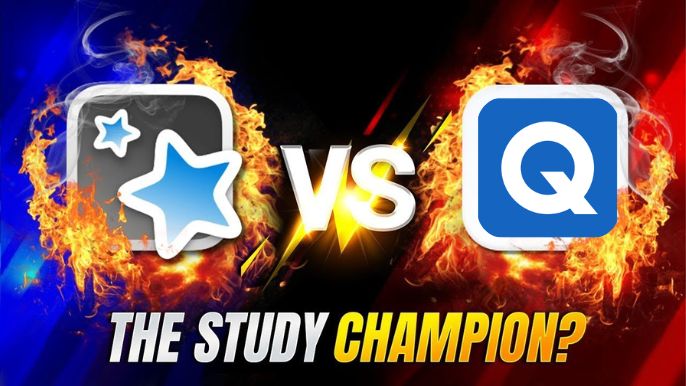
In 2026, digital flashcards are no longer a “nice-to-have” study aid—they are a core part of how students learn, retain, and apply information. Among dozens of tools on the market, two platforms continue to dominate the conversation: Anki and Quizlet.
From nursing students preparing for the NCLEX to medical students navigating the demands of medical school, the Anki vs Quizlet debate remains one of the most discussed topics in education technology. This article provides a detailed, expert-level comparison to help you decide which tool aligns best with your academic and professional goals.
Understanding the Platforms
Anki: Built for Long-Term Memory
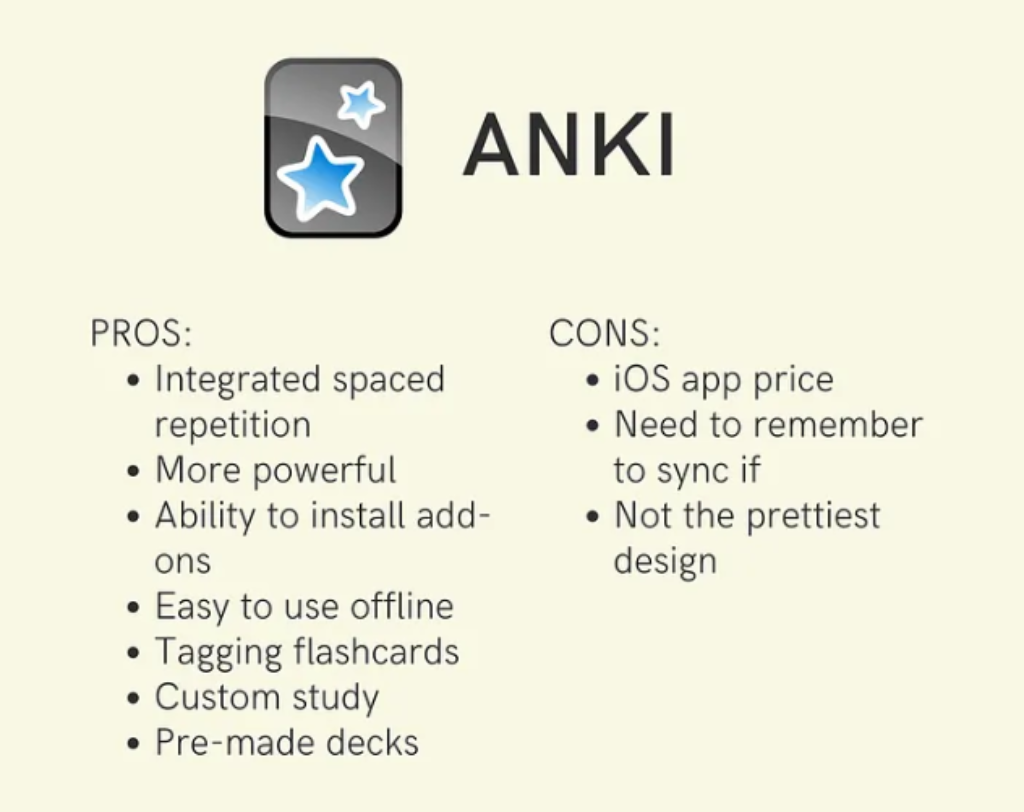
Anki is an open-source flashcard application designed around one principle: spaced repetition. Its algorithm schedules reviews based on how well you know each card, ensuring that information is reinforced just before you are likely to forget it.
Anki is widely used in high-stakes fields such as medicine, nursing, law, and language acquisition because it prioritizes long-term retention over short-term performance.
Key characteristics:
- Advanced spaced repetition algorithm
- Highly customizable flashcards
- Strong offline functionality
- Large community-created decks, especially for medical education
Quizlet: Designed for Speed and Accessibility
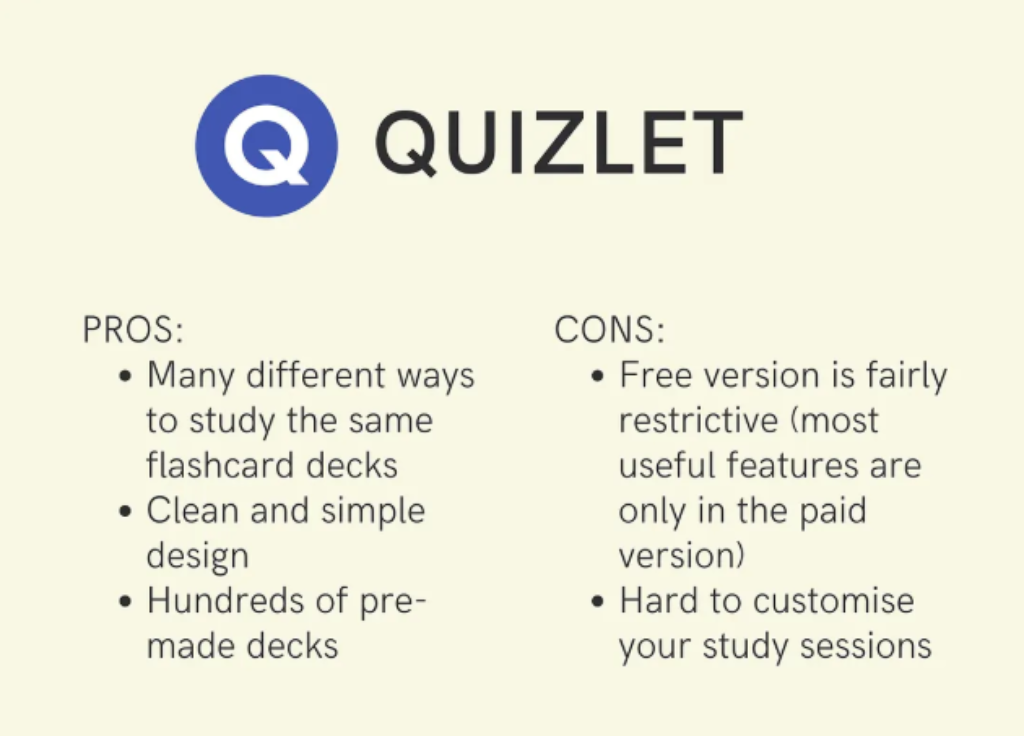
Quizlet focuses on ease of use and fast learning. It allows users to create or access flashcard sets quickly and offers multiple interactive study modes, including tests, games, and matching exercises.
Quizlet is especially popular in classrooms, group study settings, and among students who prefer structured, guided review rather than algorithm-driven repetition.
Key characteristics:
- User-friendly interface
- Built-in testing and multiple-choice modes
- Large public library of flashcard sets
- Strong collaboration and sharing features
Core Comparison: Anki vs Quizlet in 2026
| Feature | Anki | Quizlet |
|---|---|---|
| Learning Method | Advanced spaced repetition | Guided repetition & practice |
| Ease of Use | Steeper learning curve | Very beginner-friendly |
| Customization | Extensive | Limited |
| Multiple Choice Support | Manual / add-ons | Built-in |
| Offline Access | Full | Limited |
| Cost Model | Free (low one-time mobile fee) | Subscription-based |
Anki vs Quizlet for Nursing Students
The Anki vs Quizlet nursing debate is particularly relevant due to the volume of material nursing students must retain over long periods.
- Anki excels at helping students remember pharmacology, pathophysiology, and clinical guidelines months or even years later.
- Quizlet works well for memorizing definitions, lab values, and reviewing content shortly before exams.
For NCLEX preparation, many nursing students ultimately gravitate toward Anki because its spaced repetition mirrors the long-term knowledge demands of clinical practice.
Expert consensus:
Quizlet is effective early in coursework; Anki is superior for cumulative exams and licensure preparation.
Anki vs Quizlet for Medical School
In Anki vs Quizlet medical school comparisons, Anki is often considered the industry standard.
Medical education requires:
- Massive information density
- High recall accuracy
- Long-term retention across multiple years
Anki’s ability to handle image occlusion, cloze deletions, and complex card logic makes it ideal for anatomy, pathology, and board exam preparation (USMLE, COMLEX).
Quizlet, while useful for quick reviews or group sessions, lacks the algorithmic depth most medical students rely on for board-level mastery.
Bottom line:
For medical school, Anki is the dominant choice among top-performing students.
Anki vs Quizlet Multiple Choice Learning
When evaluating Anki vs Quizlet multiple choice capabilities, Quizlet has a clear advantage in simplicity.
- Quizlet offers built-in test modes that automatically generate multiple-choice questions.
- Anki focuses on active recall rather than recognition, which research shows is more effective for long-term learning.
However, advanced Anki users can create multiple-choice cards manually or use add-ons to simulate exam conditions.
Key distinction:
- Quizlet supports exam-style practice with minimal setup.
- Anki emphasizes recall, which better predicts real-world performance.
Customization and Control
Anki offers near-total control over:
- Review intervals
- Card design
- Learning steps
- Media integration
Quizlet intentionally limits customization to maintain simplicity and consistency across users.
For students who want a “plug-and-play” solution, Quizlet works well. For those who want to optimize learning efficiency, Anki provides unmatched flexibility.
Pricing and Value
- Anki: Free on desktop and Android; one-time low-cost purchase on iOS.
- Quizlet: Freemium model; key features require a recurring subscription.
Over multiple years of study, Anki is typically more cost-effective, especially for professional programs.
The Hybrid Approach: Using Both
Many students in 2026 use both platforms strategically:
- Quizlet for quick reviews, group study, and multiple-choice practice
- Anki for deep learning and long-term retention
This hybrid workflow leverages the strengths of each tool without forcing a single-platform commitment.
Final Verdict
There is no universal winner in the Anki vs Quizlet debate—only the right tool for the right purpose.
- Choose Anki if your goal is mastery, long-term retention, and high-stakes exams.
- Choose Quizlet if you value speed, simplicity, and structured practice.
- Use both if you want maximum flexibility and efficiency.
In 2026, the most successful students are not loyal to tools—they are loyal to results.
Is Anki that much better than Quizlet?
Yes—Anki is better for long-term memory because it uses advanced spaced repetition.
Is Anki or Quizlet better for med school?
Anki is generally better for med school due to heavy content and long-term retention needs.
Why do so many med students use Anki?
Because it helps efficiently memorize large amounts of information over time.
Is Anki free or paid?
Anki is free on desktop and Android; the iOS app is paid.